Glock 27 Review: Compact Power for Concealed Carry
The Glock 27 is a compact .40 S&W pistol built for concealed carry, backup use, and shooters who want more power than a similar-size 9mm Glock. It offers strong reliability, a short grip for concealment, and compatibility with larger Glock .40 magazines, but recoil is noticeably sharper than most compact 9mm carry guns. For experienced shooters who prefer .40 S&W, the Glock 27 still remains a capable everyday carry pistol when paired with a quality holster and consistent training.
Glock 27 Review: Quick Answer
The Glock 27 is essentially the subcompact version of the Glock 23. It delivers .40 S&W performance in a small, highly concealable Glock platform that works well for concealed carry, law enforcement backup use, and defensive carry.
Its biggest strengths are:
-
Proven Glock reliability
-
Compact dimensions
-
Strong concealability
-
Magazine compatibility with larger Glock .40 pistols
-
Durable, simple design
Its biggest tradeoffs are:
-
Snappier recoil than 9mm carry pistols
-
Shorter grip that can feel cramped
-
More demanding follow-up shots
-
Less capacity than many modern micro-compact 9mms
If you already shoot .40 well and want a compact defensive pistol, the Glock 27 still makes sense. If you are recoil-sensitive or newer to concealed carry, a Glock 26, Glock 43X, or Glock 48 may be easier to shoot well under stress.
What Is the Glock 27?
The Glock 27 is a subcompact striker-fired pistol chambered in .40 S&W. It was originally developed as part of Glock’s compact and subcompact .40 lineup that became extremely popular with law enforcement agencies during the peak of the .40 caliber era.
Think of the Glock 27 as the smaller sibling to the Glock 23.
It uses the same operating system and controls found across the Glock lineup:
-
Polymer frame
-
Striker-fired trigger system
-
Safe Action trigger safety
-
High reliability
-
Simple field stripping
-
Consistent trigger pull
The pistol was specifically designed for concealed carry and backup gun roles. The short grip and compact slide make it easier to hide than duty-size pistols while still maintaining compatibility with larger Glock .40 magazines.
That compatibility matters.
A Glock 27 can accept magazines from the Glock 23 and Glock 22, giving users the option for larger reloads while keeping the carry gun itself compact.
For years, the Glock 27 was one of the dominant backup guns for law enforcement officers who carried .40 duty pistols.
Even today, it still appeals to shooters who:
-
Prefer .40 S&W ballistics
-
Already own Glock .40 pistols
-
Want magazine compatibility
-
Like compact carry guns with proven reliability
Glock 27 Specs, Size, and Capacity
The Glock 27 is small enough for daily concealed carry while still large enough to shoot better than many ultra-small pocket pistols.
Glock 27 Specifications
Typical Gen 5 Glock 27 specs include:
-
Caliber: .40 S&W
-
Capacity: 9+1
-
Barrel Length: 3.43 inches
-
Overall Length: 6.42 inches
-
Height: 4.17 inches
-
Width: 1.26 inches
-
Unloaded Weight: Approximately 21.9 ounces
The biggest advantage of the Glock 27’s dimensions is concealability.
The short grip helps reduce printing under a T-shirt or light cover garment. That is one reason the pistol remains attractive for appendix carry and strong-side IWB carry.
Compared to larger compact pistols like the Glock 23, the Glock 27 disappears easier during daily carry.
At the same time, the reduced grip length creates a tradeoff.
Shooters with larger hands may struggle to get a full firing grip without adding a magazine extension. Extensions improve control, but they also increase printing and partially defeat the purpose of the subcompact frame.
This is where holster setup becomes especially important.
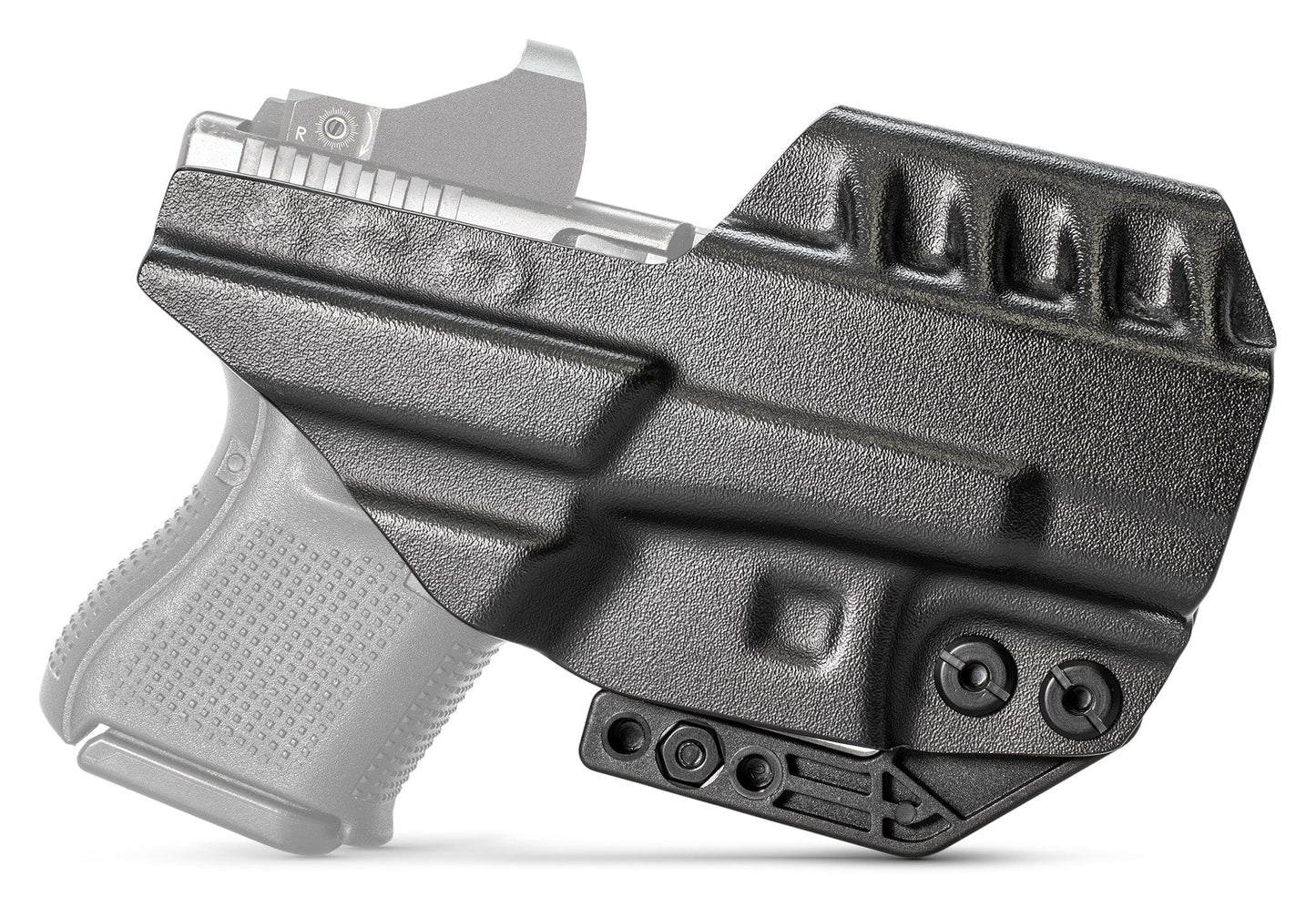
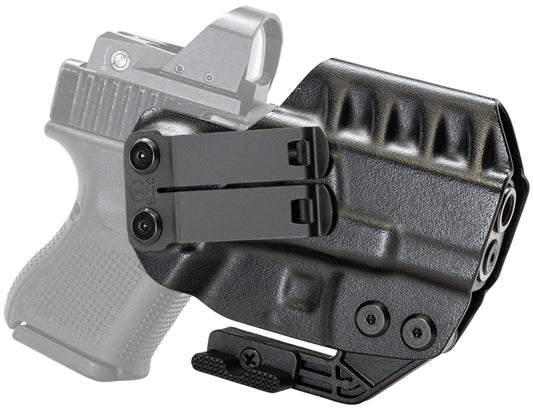
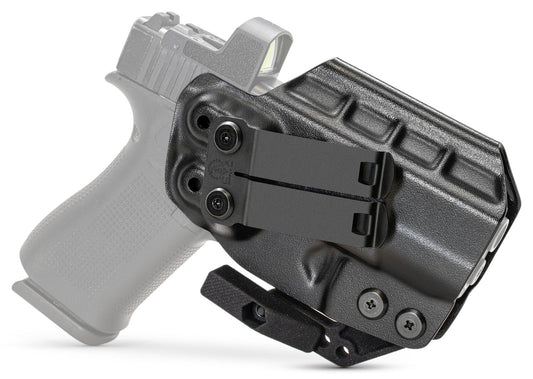
A properly fitted Glock holster with adjustable retention and ride height can dramatically improve concealment and comfort with the Glock 27 platform.
How the Glock 27 Shoots: Recoil, Accuracy, and Control
This is where opinions on the Glock 27 tend to split.
Some shooters love it.
Others shoot it once and immediately switch back to 9mm.
Recoil Characteristics
The Glock 27 has noticeably sharper recoil than comparable 9mm carry pistols.
That should not surprise anyone.
You are firing .40 S&W out of a lightweight subcompact frame with a short grip and limited surface area to control muzzle movement.
The recoil impulse feels:
-
Snappy
-
Fast
-
More abrupt than a Glock 26
-
More tiring during long range sessions
Compared side-by-side with a Glock 26, most shooters will find the 9mm version easier to control during rapid fire.
That does not make the Glock 27 unmanageable.
It just rewards stronger grip fundamentals and more training.
Experienced shooters who already carry .40 caliber pistols often adapt quickly. Newer shooters sometimes struggle with fast follow-up shots until they build proper recoil control habits.
Accuracy
Mechanically, the Glock 27 is very accurate for its size.
At realistic defensive distances, accuracy is not the issue.
Shooter control is.
The pistol is capable of excellent defensive accuracy inside 15 yards, and many shooters can stretch it farther with practice. The Glock trigger system remains predictable and consistent enough for defensive shooting once you learn the break and reset.
The shorter sight radius compared to larger Glock pistols can slow precision shooting somewhat, but that is normal for compact carry guns.
Shootability
The biggest factor affecting shootability is grip size.
The shorter frame means many shooters leave their pinky finger hanging below the magazine baseplate. That can make recoil feel more aggressive than it actually is.
Magazine extensions improve control substantially, but again, concealment becomes slightly more difficult.
This is always the balancing act with subcompact carry guns:
-
Better concealment
-
Smaller grip
-
Increased recoil perception
The Glock 27 follows that formula exactly.
Is the Glock 27 Good for Concealed Carry?
Yes — if you understand what the pistol is designed to do.
The Glock 27 was built specifically for concealed carry and backup use. In many ways, it still excels in that role.
Why the Glock 27 Still Works for Carry
The strongest argument for the Glock 27 is simple:
It carries easier than larger .40 caliber pistols while maintaining familiar Glock reliability and magazine compatibility.
The short grip is excellent for concealment.
The pistol works especially well for:
-
Appendix carry
-
Strong-side IWB carry
-
Backup gun carry
-
Winter carry
-
Defensive concealed carry
The slide length is short enough for comfortable seated carry, and the overall footprint stays compact under light clothing.
The Main Carry Tradeoff
The downside is shootability compared to modern 9mm alternatives.
Today’s concealed carry market is dominated by high-capacity micro-compact 9mms like the Glock 43X and Glock 48 because they offer:
-
Lower recoil
-
Higher practical shootability
-
Better capacity-to-size ratio
-
Faster follow-up shots for most shooters
The Glock 27 still has an audience, though.
Shooters who already trust .40 S&W often appreciate the caliber’s defensive performance and barrier penetration characteristics. Others simply shoot .40 well and prefer the cartridge.
Carry Comfort
The Glock 27’s lighter weight helps during long days of carry, but comfort still depends heavily on the holster.
A poor holster setup can make even a compact pistol miserable to carry.
For daily carry, look for:
-
Full trigger guard coverage
-
Adjustable retention
-
Stable belt attachment
-
Proper ride height adjustment
-
Minimal printing
-
Good sweat guard design
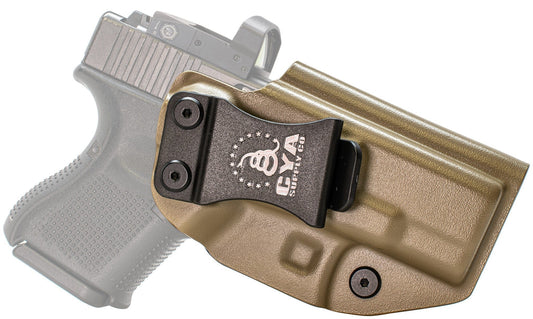
A dedicated Glock 27 holster built for appendix or IWB carry makes a major difference in comfort and concealment.
Glock 27 vs Glock 26, Glock 23, Glock 43X, and Glock 48
The Glock 27 sits in an interesting spot in today’s carry market.
Its biggest competition often comes from other Glock models.
Glock 27 vs Glock 26
This is the most direct comparison.
The Glock 26 is essentially the 9mm version of the Glock 27.
Most shooters will find the Glock 26:
-
Easier to shoot
-
Less snappy
-
Faster during follow-up shots
-
Cheaper to train with
The Glock 27 offers:
-
.40 S&W chambering
-
More energy per round
-
Compatibility with Glock .40 magazines
For many concealed carriers, the Glock 26 is the more practical modern option. But shooters committed to .40 S&W often still prefer the Glock 27.
If you are deciding between the two, it often comes down to recoil tolerance and caliber preference.
Related: Glock 26 holsters
Glock 27 vs Glock 23
The Glock 23 is the larger compact version.
Compared to the Glock 27, the Glock 23 gives you:
-
Better shootability
-
Larger grip
-
Increased control
-
Slightly better capacity
-
Easier recoil management
The Glock 27 gives you:
-
Better concealment
-
Smaller footprint
-
Easier deep concealment
Many shooters carry the Glock 27 and use Glock 23 magazines as reloads.
Related: Glock 23 holsters
Glock 27 vs Glock 43X
This comparison highlights how much the concealed carry market has shifted.
The Glock 43X is thinner, lighter recoiling, and easier for most shooters to carry comfortably.
Advantages of the Glock 43X include:
-
Slim profile
-
Improved comfort
-
Better grip ergonomics
-
Easier recoil control
Advantages of the Glock 27 include:
-
.40 caliber chambering
-
Greater compatibility with duty-size Glock magazines
-
More traditional double-stack Glock feel
For newer concealed carriers, the Glock 43X is often easier to recommend today.
Related: Glock 43X holsters
Glock 27 vs Glock 48
The Glock 48 bridges the gap between compact shootability and slim concealed carry comfort.
Compared to the Glock 27, the Glock 48 offers:
-
Longer sight radius
-
Better recoil control
-
Slimmer width
-
Improved comfort for many shooters
The Glock 27 remains more compact vertically and easier to conceal in some setups.
Shooters who prioritize shootability often lean toward the Glock 48. Shooters prioritizing compact dimensions and .40 caliber performance may still choose the Glock 27.
Related: Glock 48 holsters
Glock 27 Holster Considerations for Daily Carry
The Glock 27 is small enough to conceal easily, but holster quality still determines whether the gun is actually comfortable to carry every day.
A quality holster matters even more with compact pistols because small guns tend to shift, rotate, or print if the holster lacks proper retention and stability.
What Matters in a Glock 27 Holster
For concealed carry, prioritize:
-
Full trigger guard protection
-
Adjustable retention
-
Strong belt clips
-
Sweat protection
-
Minimal bulk
-
Stable positioning during movement
Appendix carry users should pay close attention to ride height and cant adjustments. Small changes dramatically affect comfort and concealment with compact pistols like the Glock 27.
Appendix Carry With the Glock 27
The Glock 27 works surprisingly well for appendix carry because of its shorter slide and compact grip.
Benefits include:
-
Reduced printing
-
Comfortable seated carry
-
Faster concealment under light clothing
The shorter grip especially helps prevent the pistol from tipping outward.
Strong-Side Carry
Strong-side IWB carry also works very well with the Glock 27.
Many carriers prefer the balance of:
-
Compact dimensions
-
Easy draw stroke
-
Better comfort during long wear
A properly fitted IWB Glock holster helps stabilize the pistol while maintaining concealment.
Why Holster Fit Matters With Subcompacts
Subcompact pistols can become frustrating quickly with poor gear.
Cheap holsters often create:
-
Excessive printing
-
Poor retention
-
Grip instability
-
Hot spots during carry
-
Inconsistent draw angles
The Glock 27 deserves a holster specifically molded for the pistol rather than a generic “one-size-fits-most” setup.
Is .40 S&W Still Worth Carrying?
This question comes up constantly.
The honest answer is yes — for the right shooter.
The internet often acts like .40 S&W disappeared completely once modern defensive 9mm ammunition improved.
That is not reality.
The .40 S&W still offers:
-
Strong defensive performance
-
Good barrier penetration
-
Proven law enforcement history
-
Wide ammunition availability
The tradeoff has always been recoil.
In full-size pistols, .40 can be very manageable.
In subcompact pistols like the Glock 27, recoil becomes more noticeable and demanding.
That does not automatically make it a bad carry option.
It simply means the shooter needs realistic expectations.
If you shoot the Glock 27 accurately and consistently, there is absolutely nothing outdated about carrying it.
Final Verdict: Is the Glock 27 Still Worth Carrying?
The Glock 27 is no longer the default concealed carry recommendation it once was, but it is still a capable defensive pistol for shooters who understand its strengths and limitations.
It remains:
-
Reliable
-
Compact
-
Durable
-
Easy to conceal
-
Proven in defensive use
At the same time, modern slim 9mm carry guns have become easier for most people to shoot well.
That is the real competition facing the Glock 27 today.
If you already shoot .40 S&W confidently and want a compact Glock that conceals easily while maintaining compatibility with larger Glock magazines, the Glock 27 still makes a lot of sense.
But if recoil control, comfort, and fast follow-up shots are your highest priorities, you may prefer a Glock 26, Glock 43X, or Glock 48 instead.
And regardless of which direction you go, pairing the pistol with a reliable concealed carry holster matters just as much as the firearm itself.
A properly fitted Glock holster from CYA Supply Co. gives you the retention, trigger guard coverage, comfort, and concealment needed for real everyday carry.
FAQ
Is the Glock 27 good for concealed carry?
Yes. The Glock 27 was specifically designed for concealed carry and backup use. Its short grip and compact dimensions make it easy to conceal, especially with a quality IWB or appendix holster.
Does the Glock 27 recoil more than the Glock 26?
Yes. The Glock 27 has noticeably sharper recoil because it fires .40 S&W from a lightweight subcompact frame, while the Glock 26 uses softer-shooting 9mm ammunition.
What capacity does the Glock 27 have?
Most Glock 27 models have a standard 9+1 capacity, though the pistol can also use larger Glock 23 and Glock 22 magazines.
Is the Glock 27 still worth buying?
Yes, especially for shooters who already prefer .40 S&W or want compatibility with other Glock .40 pistols. It remains reliable, compact, and highly concealable.
What holster works best for the Glock 27?
A dedicated Kydex IWB holster with adjustable retention and full trigger guard coverage works best for most Glock 27 concealed carry setups.
Is the Glock 27 better than the Glock 43X?
That depends on your priorities. The Glock 43X is slimmer and easier to shoot for most users, while the Glock 27 offers .40 caliber performance and double-stack magazine compatibility.
Can the Glock 27 be used for home defense?
Yes. While primarily designed for concealed carry, the Glock 27 can still serve as a home defense pistol, especially with extended magazines and quality defensive ammunition.
Is the Glock 27 hard to shoot?
For some shooters, yes. The compact frame and .40 S&W chambering create snappier recoil than most 9mm carry pistols, especially during rapid fire. Consistent training helps significantly.

Justin Hunold
Wilderness/Outdoors Expert
Justin Hunold is a seasoned outdoor writer and content specialist with CYA Supply. Justin's expertise lies in crafting engaging and informative content that resonates with many audiences, and provides a wealth of knowledge and advice to assist readers of all skill levels.